WUST News From May 29 to 31, the 16th National Forum for Deans of Materials Schools was convened in Wuhan. Centered on the theme “Boosting Materials Innovation Driven by New Quality Productive Forces, Mapping out Discipline Development Blueprint for the 15th Five-Year Plan Period”, the forum was sponsored by Hubei Universities Consortium for Innovation in Materials Disciplines and co-organized by Wuhan University of Science and Technology (WUST), Wuhan University of Technology, Huazhong University of Science and Technology and other institutions. Academicians and experts specializing in materials science, deans of materials schools from universities nationwide, as well as representatives from research institutes and enterprises gathered at the event to pool wisdom for the high-quality development of materials disciplines. Ni Hongwei, Secretary of the CPC WUST Committee, delivered a speech at the opening ceremony. Dong Lijie, Vice President, and Bao Shenxu, Member of the Standing Committee of the CPC WUST Committee, also attended the forum.
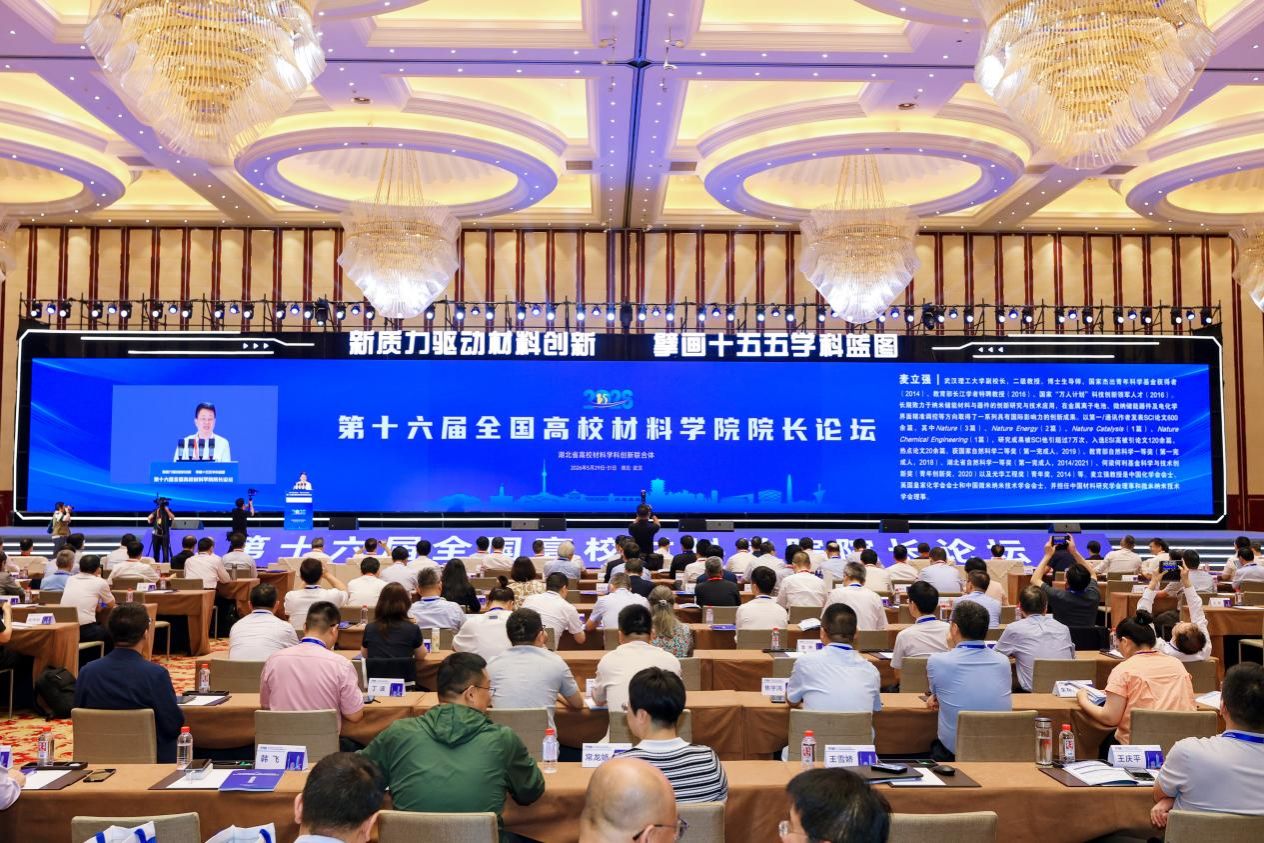
Li Zhan, Deputy Mayor of Wuhan Municipal People’s Government, delivered a welcome address. He noted that materials science serves as a strategically fundamental discipline for fostering new quality productive forces and safeguarding the security and stability of industrial chains. Wuhan has built six major new materials industrial clusters covering optoelectronic information, semiconductors, new energy, aerospace, high-end equipment and green building materials. During the 15th Five-Year Plan period, the city will further advance original innovation and joint research efforts among universities, strengthen financial support for science and technology, and strive to build a national innovation hub for new materials. He extended a sincere invitation to experts and scholars nationwide to settle their research teams in Wuhan for collaborative research, so as to advance high-level self-reliance in science and technology as well as industrial innovative development.
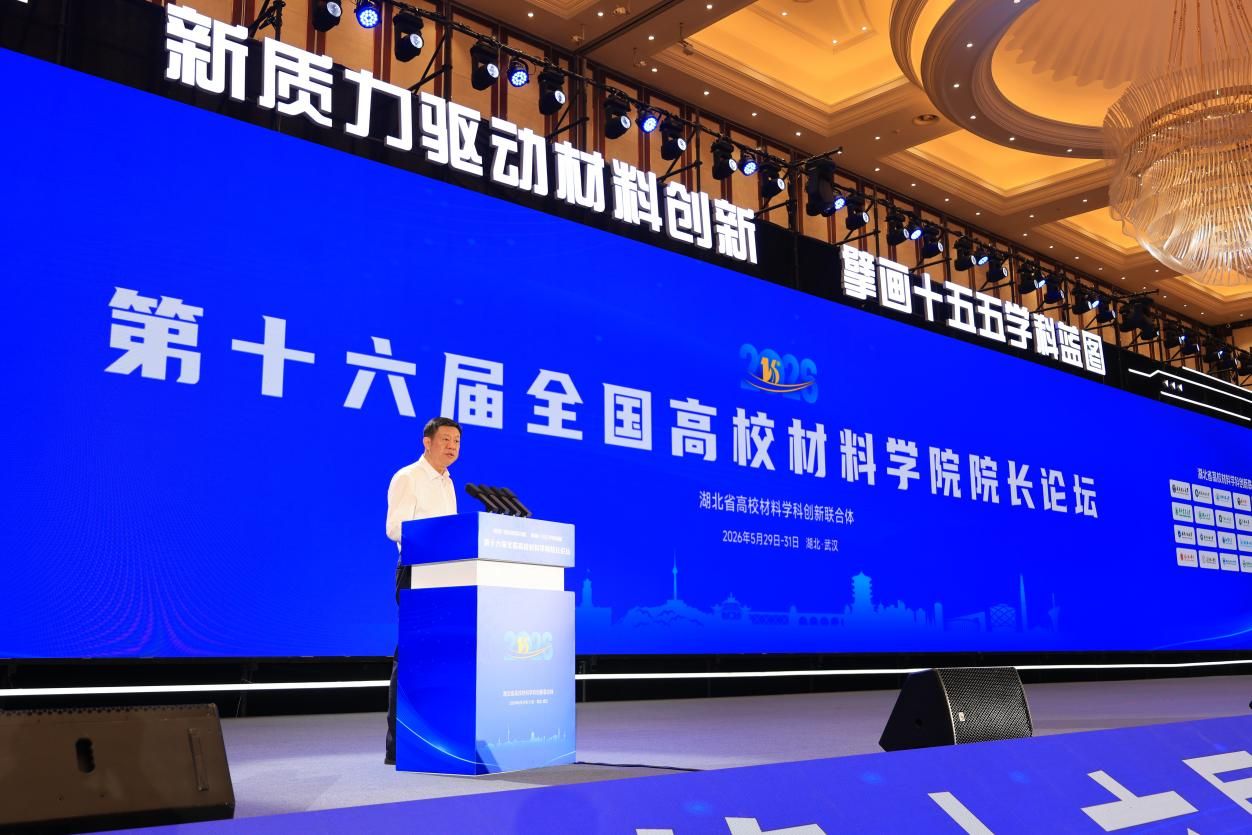
In his address, Ni Hongwei remarked that materials science is entering an unprecedented golden age with rapidly evolving research paradigms, making it a shared mission for all materials practitioners to seize strategic opportunities and upgrade the materials industry. He expressed his hope that all participating experts would take the forum as a platform to share cutting-edge achievements for leapfrog growth underpinned by new quality productive forces, formulate the 15th Five-Year Plan discipline development blueprint in response to national strategies, and advance integrated development of education, science and technology as well as talent cultivation. WUST will keep deepening the development of its Materials Science and Engineering discipline, target major national demands and industrial bottlenecks, and further integrate education with scientific research as well as industry and education. The university will consolidate its leading edge in refractory materials and strive for high-level breakthroughs in high-end steel, green vanadium-titanium resources, hydrogen energy and energy storage. It looks forward to cooperating with peers across the country to fuel China’s development into a powerhouse of materials science and technology and contribute to the advancement of Chinese modernization.
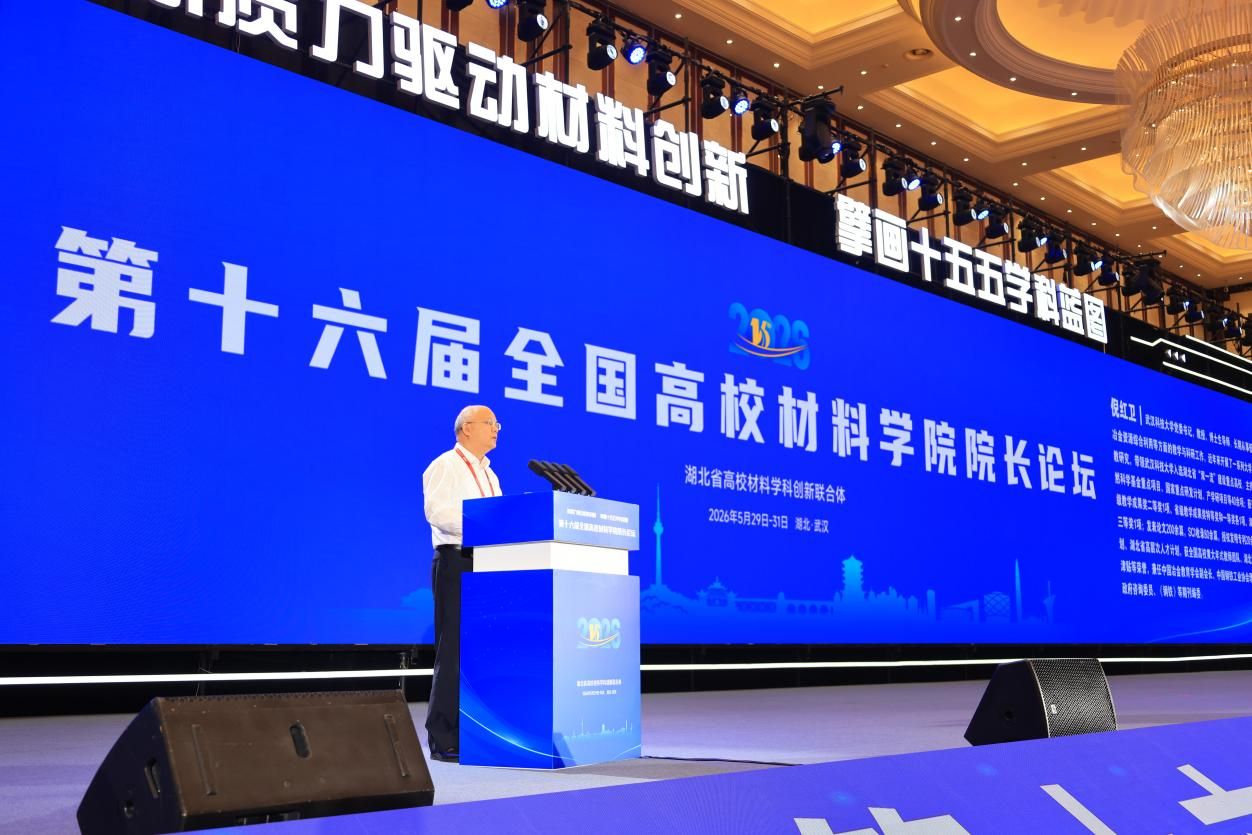
Wang Fazhou, President of Wuhan University of Technology, stated in his speech that materials constitute the cornerstone of a robust manufacturing industry. Driven by artificial intelligence, research paradigms and disciplinary ecosystems are undergoing profound transformation, alongside accelerated iteration in new materials. Standing at the critical starting point of the 15th Five-Year Plan, he called on universities nationwide to break disciplinary, industrial and educational barriers, jointly analyze emerging disciplinary trends, build innovative platforms, cultivate top-tier talents and expand industry-education cooperation to bolster the development of China’s education, science and technology, and talent development initiatives.
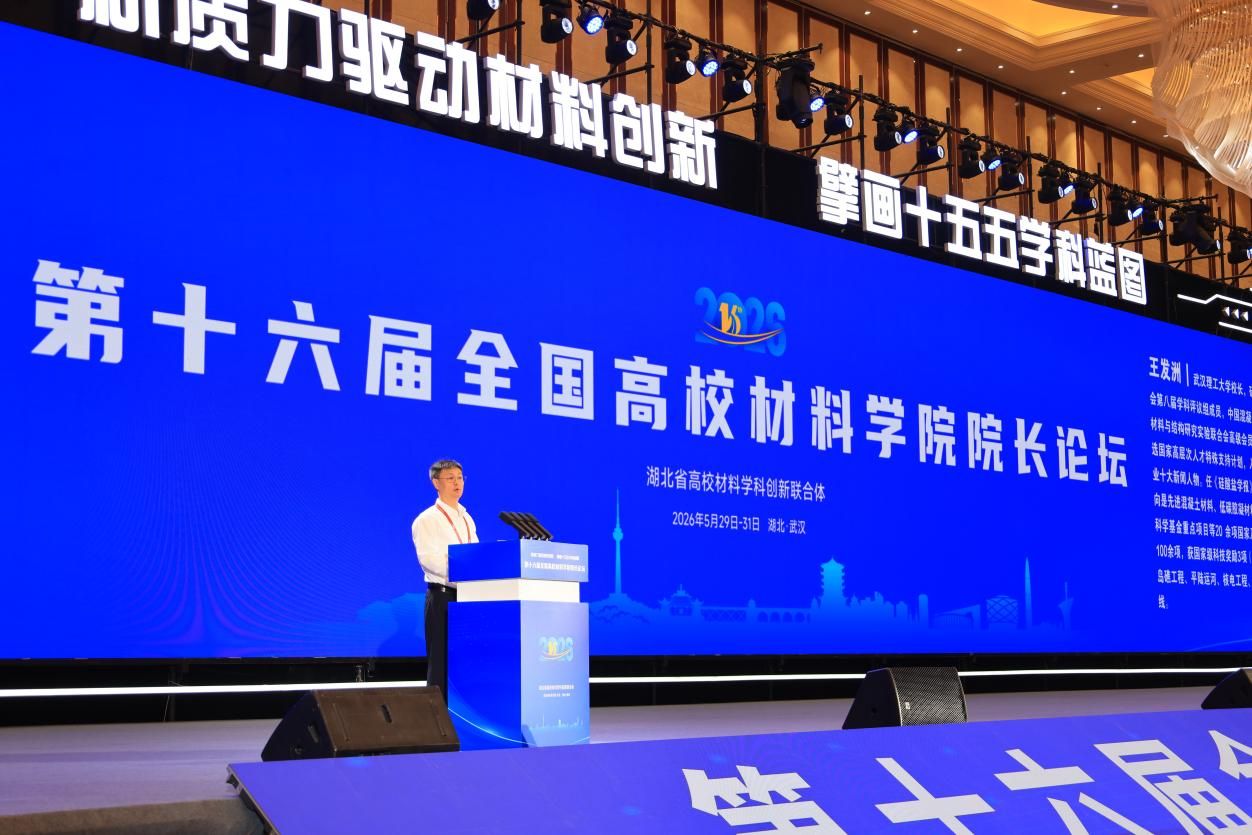
Academician Li Yuanyuan from the Chinese Academy of Engineering and Professor at Huazhong University of Science and Technology emphasized that the National Forum for Deans of Materials Schools has witnessed China’s materials discipline evolve from catching up with international peers to running abreast with global leaders. To thrive, materials disciplines should align closely with national strategic needs, accelerate the integrated advancement of AI-enabled materials research and interdisciplinary development, deepen the convergence of educational, scientific and industrial innovation, and cultivate outstanding talents with lofty ideals and a strong sense of responsibility.
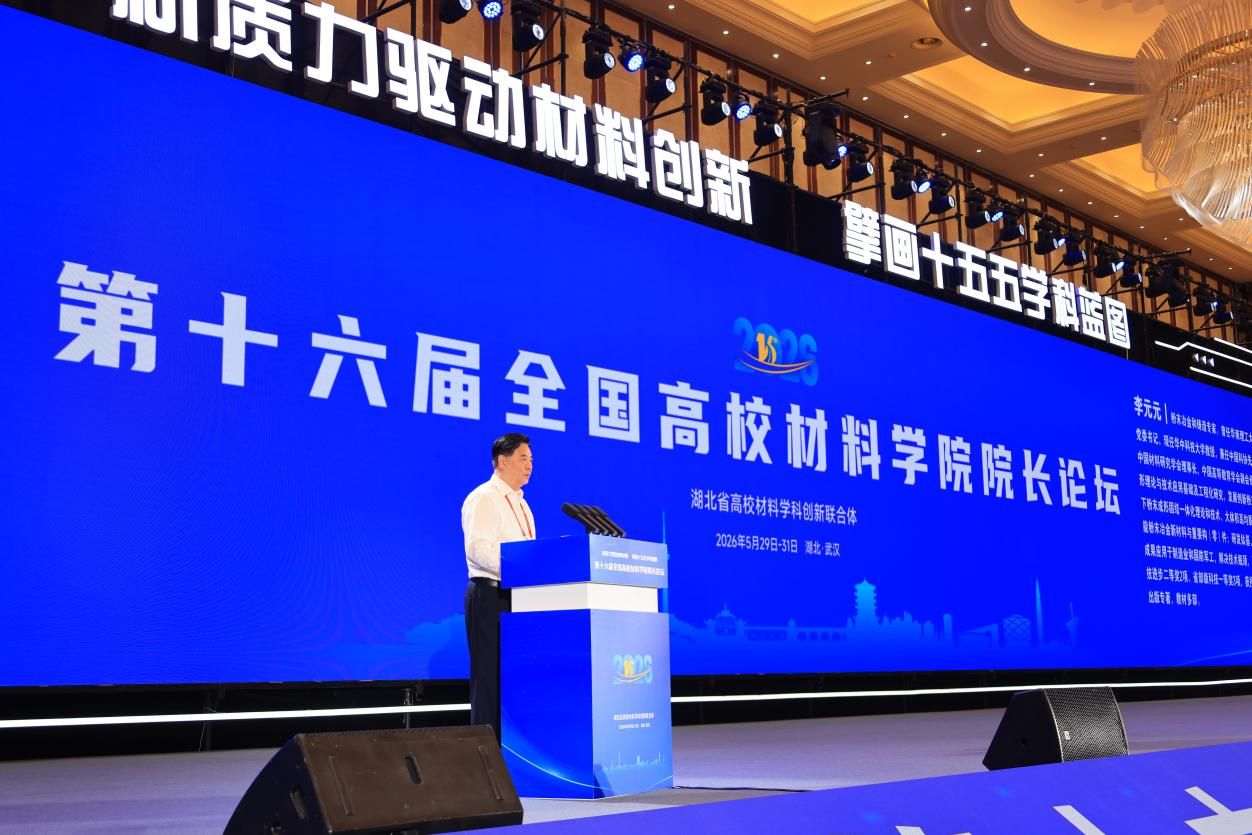
During the plenary keynote session, 14 distinguished experts from Northwestern Polytechnical University, Beihang University, Tsinghua University and other universities and research institutions delivered invited presentations on frontier advances in materials science, key industrial challenges and innovative talent training, sharing latest research outcomes and practical experience.
Eight sub-forums were set up throughout the event. Deans of materials schools and young scholars presented more than one hundred reports around eight themes: ideological and political education guided by CPC building, AI-enabled materials development, discipline construction, the development of academic journals for materials, open schooling and internationalization, integrated development of education, science and talent, in-depth integration of scientific and industrial innovation, and the Women in Materials Roundtable Discussion. Participants explored feasible solutions to bottlenecks restricting disciplinary development and built an all-round, multi-tiered and wide-ranging exchange platform for the materials discipline.
The inaugural Women in Materials Roundtable Discussion, hosted by WUST, drew over 300 leading female academics and experts in materials from universities nationwide. In-depth exchanges focused on flexible leadership, wisdom for female professionals and the growth of young female researchers, exploring how female researchers can demonstrate women’s distinctive role in advancing China’s high-level self-reliance and self-improvement in science and technology. Dong Lijie presided over this special session.
Initiated by deans of materials schools from prestigious domestic universities in 2010, the National Forum for Deans of Materials Schools aims to establish a long-term platform facilitating exchange and collaborative development of materials disciplines across Chinese higher education institutions.
(Media Convergence Center)