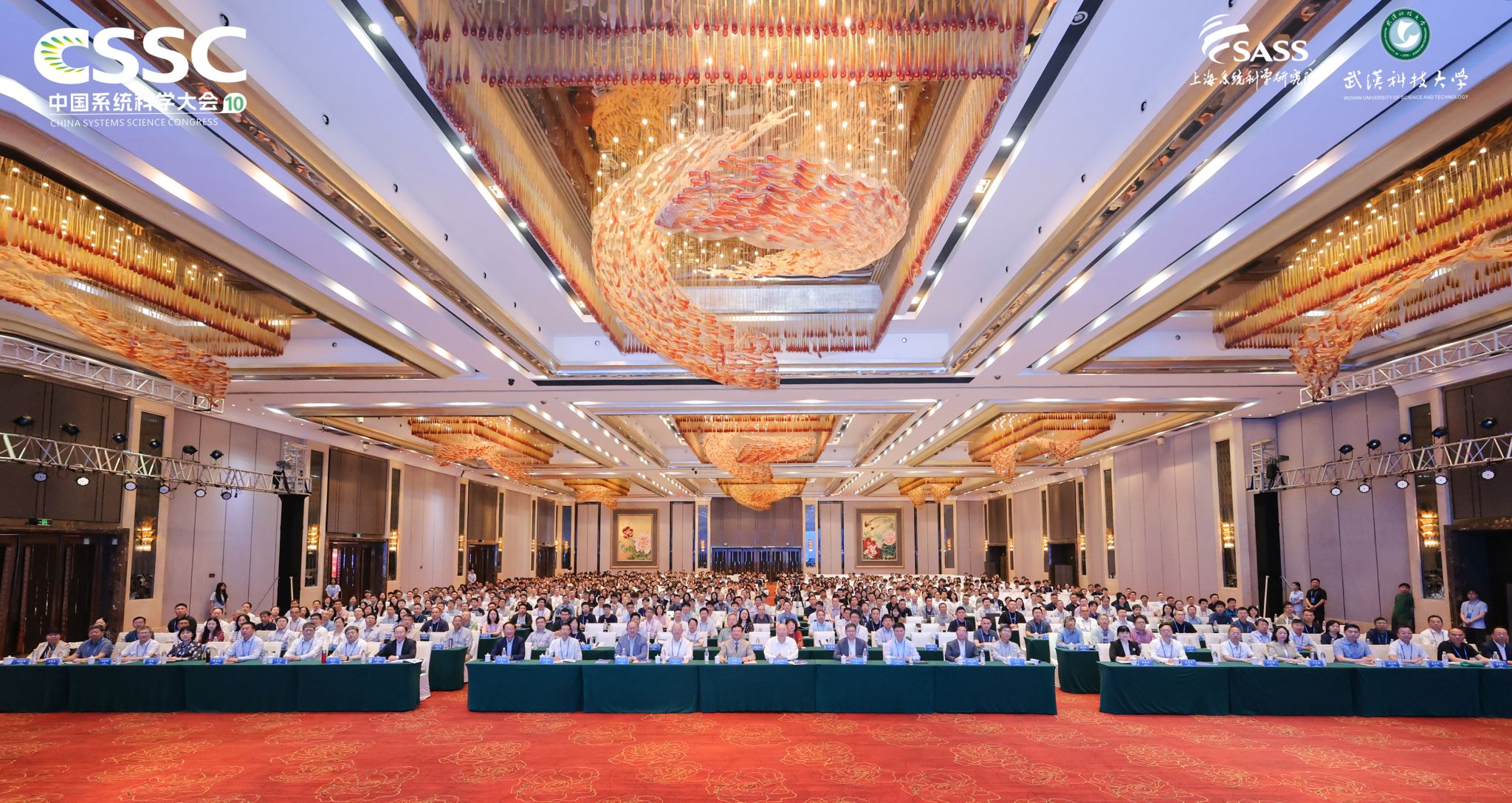
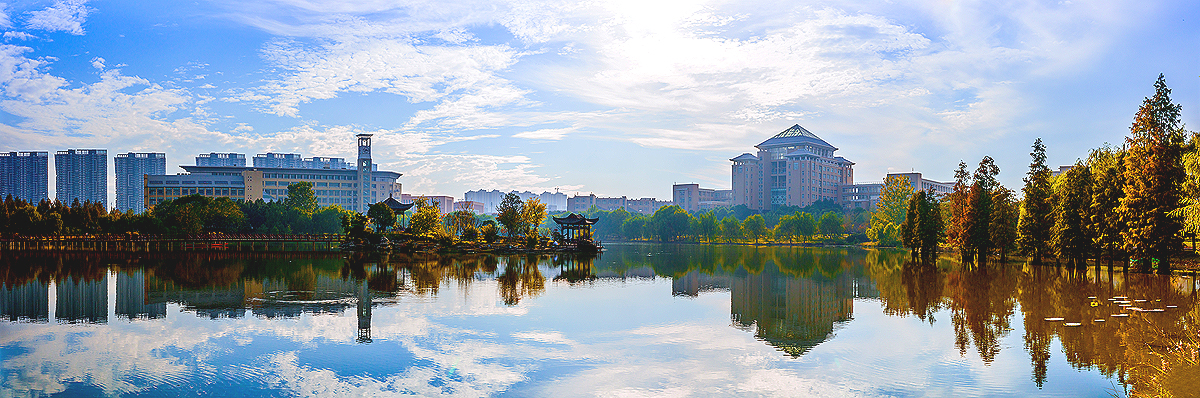
WUST News (Correspondent Feng Yuqiang) From May 15 to 17, the 10th China Systems Science Congress was held in Wuhan, Hubei Province. Co-sponsored by the Shanghai Academy of Systems Science and the Steering Committee of the China Systems Science Congress, the congress was hosted by Wuhan University of Science and Technology (WUST). More than 2,100 experts and scholars from over 200 universities, research institutes and enterprises across the country gathered in Wuhan to conduct in-depth discussions on cutting-edge theories, key technologies, engineering practices and cross-domain innovations in systems science under the theme of AI for Complex Systems.
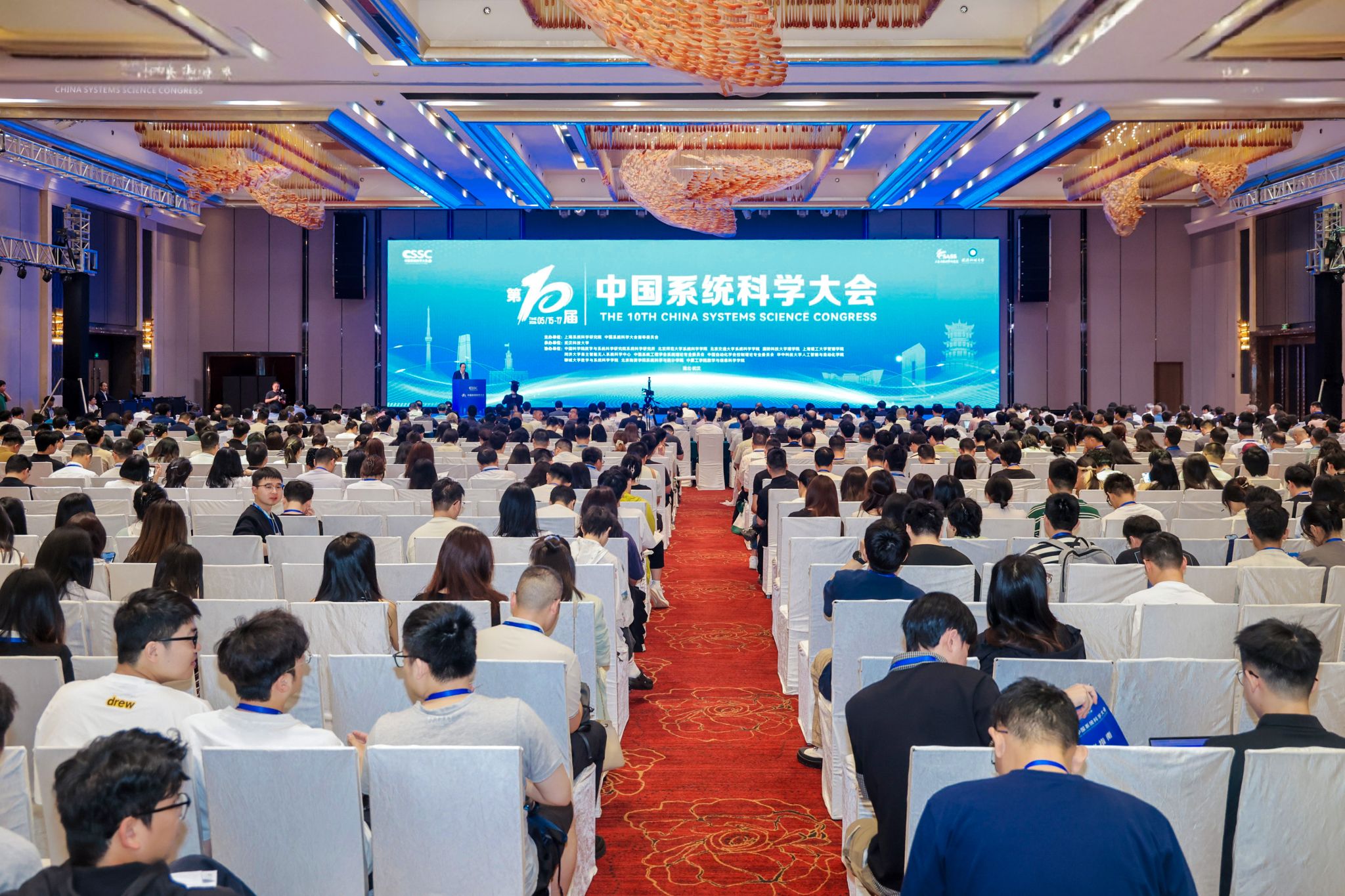
The opening ceremony of the congress was held on the morning of May 16. Academician Guo Lei of the Chinese Academy of Sciences (CAS), Chairman of the 10th China Systems Science Congress, Ding Xiaodong, Convener of the Discipline Evaluation Group for Systems Science of the Academic Degrees Committee of the State Council, and Ni Hongwei, Secretary of the CPC WUST Committee, attended the ceremony and delivered speeches. The opening ceremony was presided over by Ma Teng, Vice President of WUST.
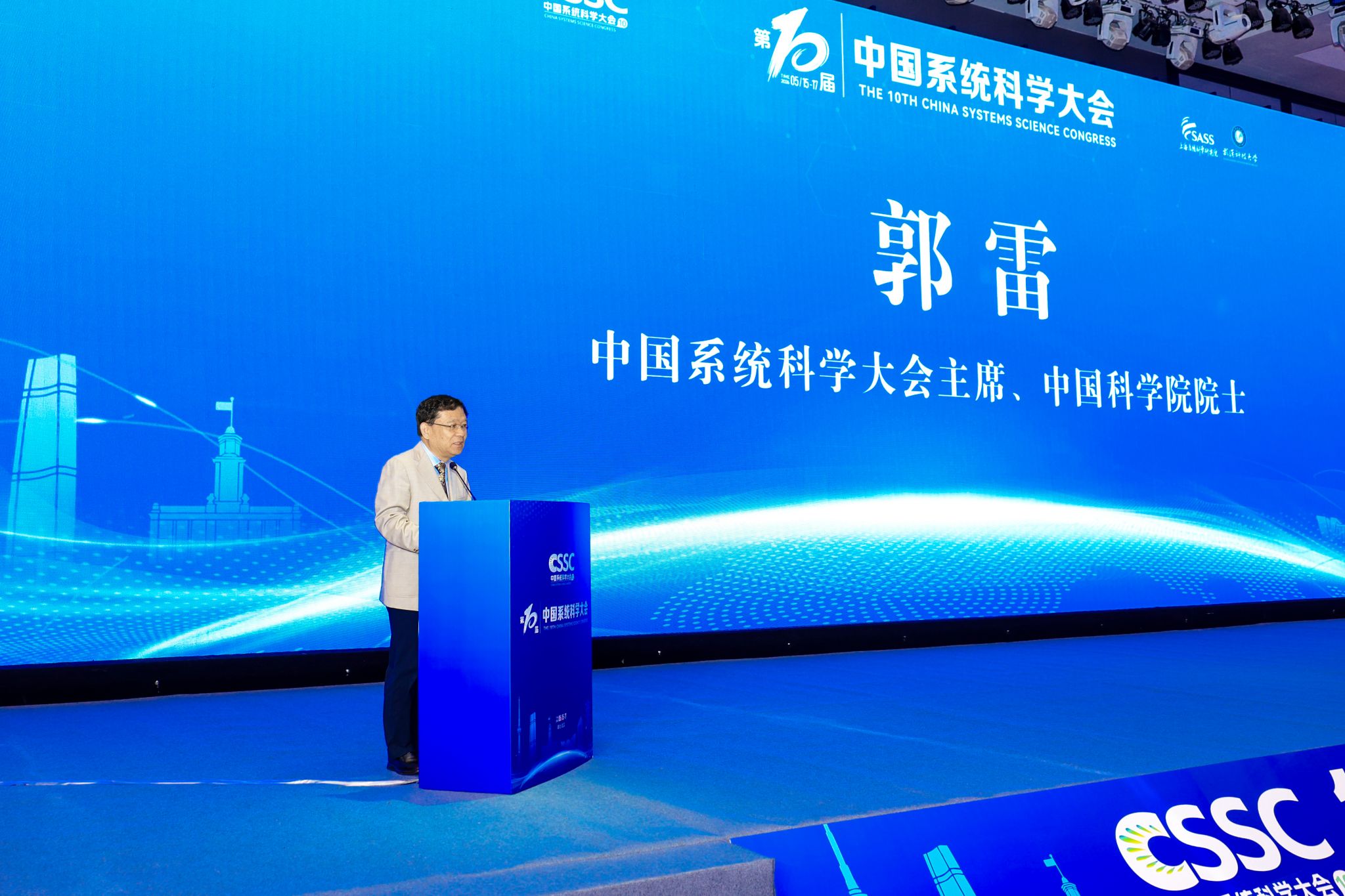
In his speech, Academician Guo Lei systematically reviewed the development course of the China Systems Science Congress over the past decade. He pointed out that since its inaugural session in 2017, the congress has always adhered to the purpose of serving discipline construction and promoting academic integration, effectively advancing the development of systems science in China. This year’s congress closely aligns with national strategies and the development needs of new quality productive forces, injecting new impetus into the high-quality development of the systems science discipline, and building consensus and charting the course for the grand blueprint of the next decade.
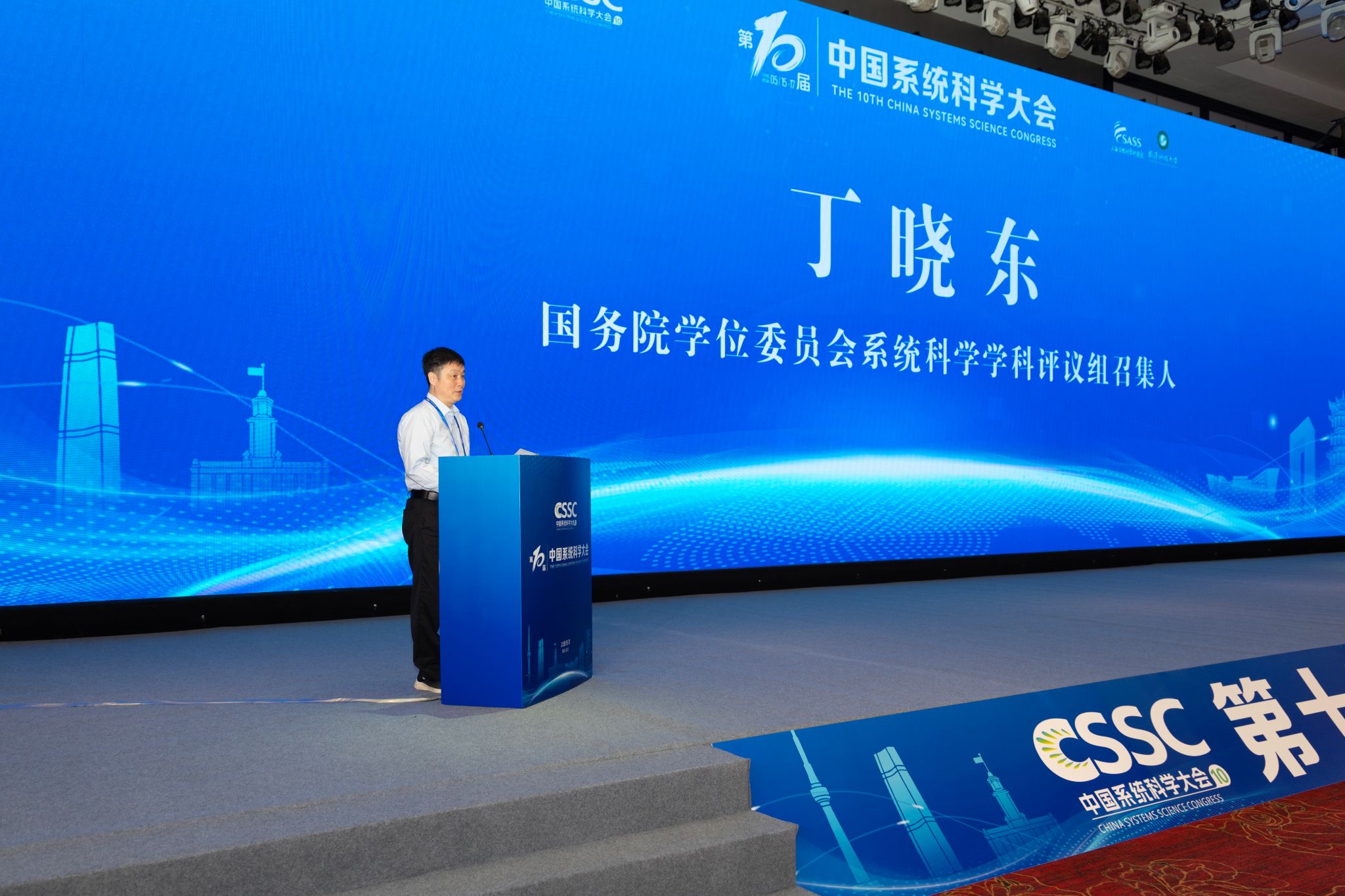
Ding Xiaodong extended warm congratulations on the 10th anniversary of the congress. He emphasized that after ten years of hard work and progress, the congress has become the most authoritative and top-level academic exchange platform in the field of systems science. It has injected strong momentum into the development of the discipline, continuously enhanced its influence in the academic community, and played an irreplaceable role in promoting the in-depth interdisciplinary integration and stimulating innovation vitality.
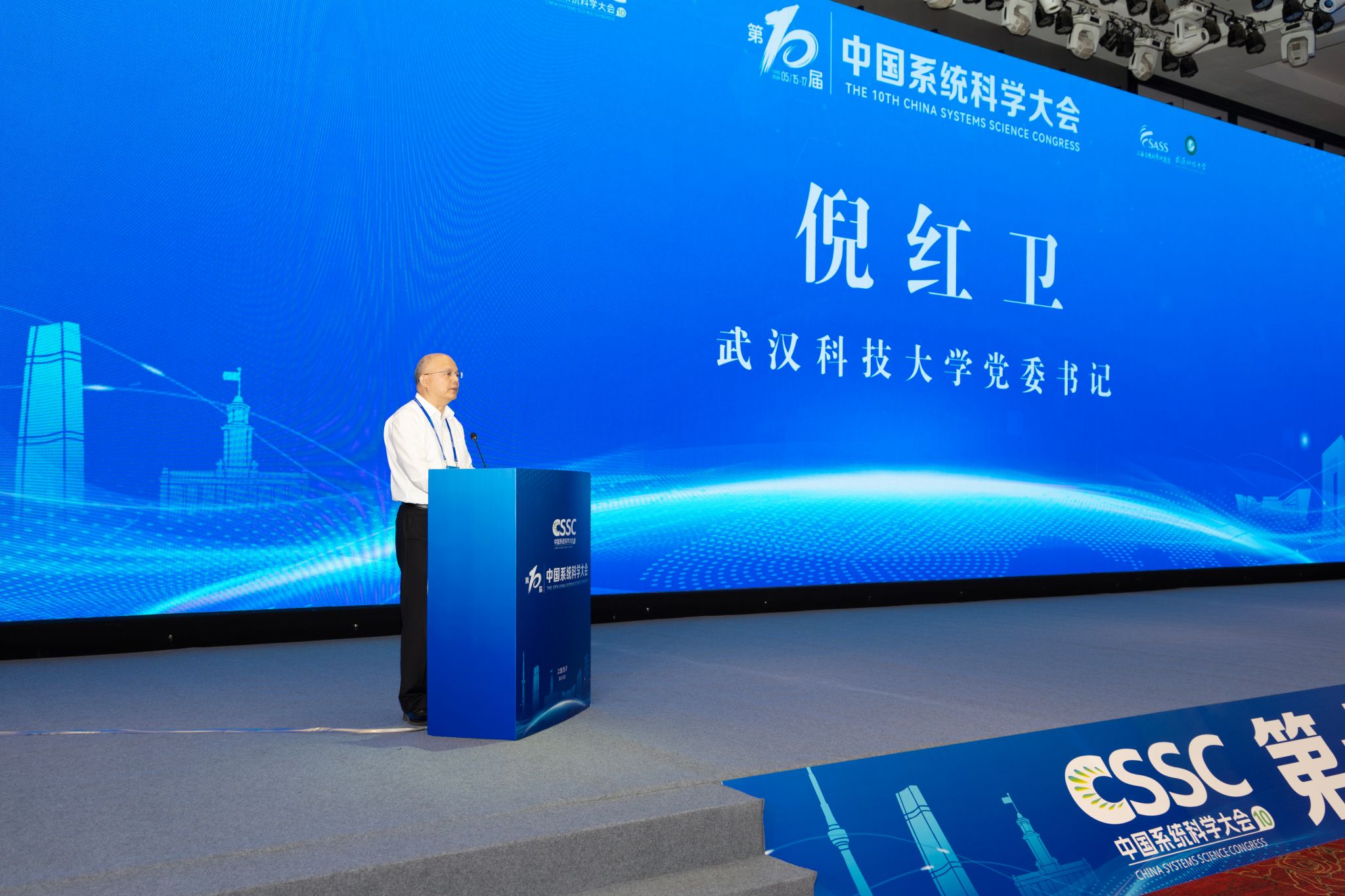
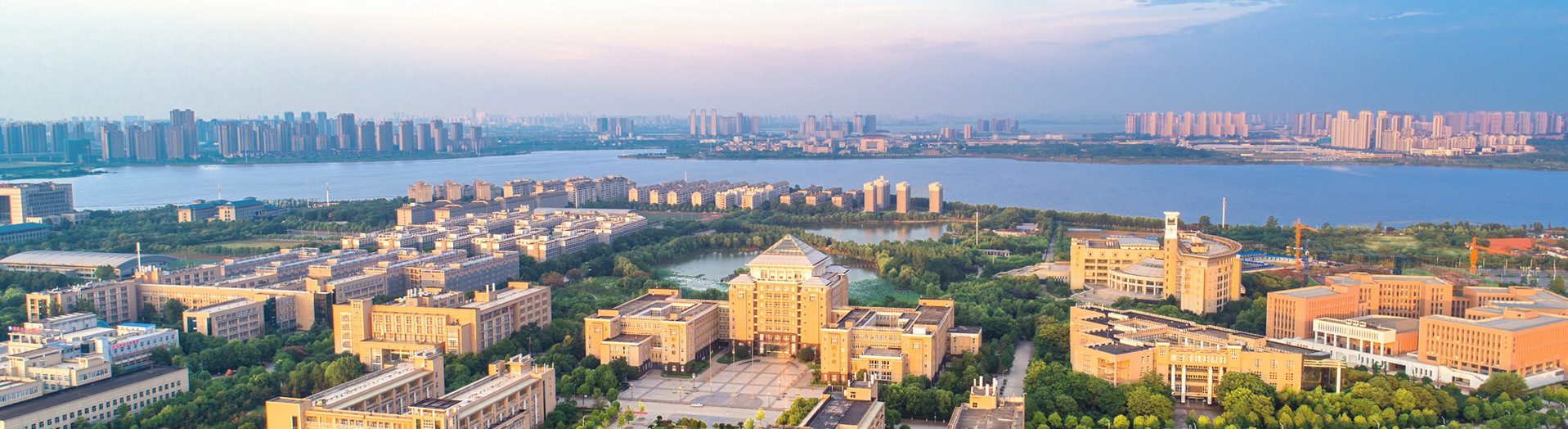
On behalf of the host institution, Ni Hongwei delivered a welcome address and introduced the university’s educational characteristics and achievements in systems science discipline construction to the guests. He stated that relying on the Hubei Key Laboratory of Systems Science for Metallurgical Industrial Processes, WUST has established a first-level discipline doctoral program and a postdoctoral research station in systems science, forming a distinctive research direction focusing on the intellectualization of the metallurgical industry. The university will take the opportunity of hosting this congress to actively build a high-level academic exchange platform and contribute WUST’s strength to the cause of systems science in China.
Following the opening ceremony, six high-level plenary lectures were delivered by leading experts in fields including systems engineering, digital construction, smart energy, life and health, artificial intelligence and aerospace. Huang Qifan, Executive Vice Chairman of the Academic Committee of the China Institute of Innovation and Development Strategy, delivered a report entitled Scientific Regulation with the “Three Theories” in Economic and Social Development. Academician Ding Lieyun of the Chinese Academy of Engineering (CAE) shared his research journey and latest achievements in developing the “identification-warning-control” early warning system for safety risks in subway engineering. Academician Guan Xiaohong of the CAS explained the key role of systems engineering in the energy revolution with a focus on zero-carbon smart energy systems. Academician He Fuchu of the CAS introduced the core scientific issues and technical pathways of the Proteomic Navigator of the Human Body from a systems science perspective. Academician Hu Shimin of the CAS presented the technological breakthroughs of domestic deep learning frameworks around large model evaluation benchmarks and independent software and hardware ecosystems. Li Minghua, Chief General Designer of the China Academy of Launch Vehicle Technology, summarized the 4M methodology for aerospace complex systems engineering based on major engineering practices such as the Long March 5 launch vehicle.
During the congress, 40 invited thematic sessions and 85 parallel sessions were organized, covering core contents of systems methodology, systems evolution theory, systems epistemology, systems regulation theory, systems practice theory and related disciplines. The congress received a total of 1,687 submissions of various types. After review and approval by the congress academic committee, 557 oral presentations, 60 student forum papers and 572 poster presentations were accepted. Both the number of paper submissions and the number of participants reached a record high in the history of the congress. The event also featured two plenary panel discussions on Retrospect and Prospect of the China Systems Science Congress and AI+ Complex Systems, as well as three pre-congress thematic lectures on Cooperative Control and Distributed Learning of Networked Systems, Agents and Complex Systems and Theory and Applications of Complex Systems. A total of 21 experts were invited to conduct specialized academic exchanges, providing a diverse platform for the presentation of new academic ideas and achievements.
On the evening of May 17, the closing ceremony of the congress was held. Zhao Laijun, Executive Dean of the Shanghai Academy of Systems Science, Chen Zhigang, Vice President of WUST, and Xia Yuanqing, President of Zhongyuan University of Technology, participated in the handover of the conference flag on behalf of the sponsor, the current host and the next host respectively.
Since its establishment in 2017, the China Systems Science Congress has been held for ten consecutive years and has become the highest-level and most influential comprehensive academic conference in the field of systems science in China. The congress has not only promoted in-depth exchanges of systems science theories but also provided a fertile ground for the growth of young scholars, effectively advancing discipline construction and talent training.